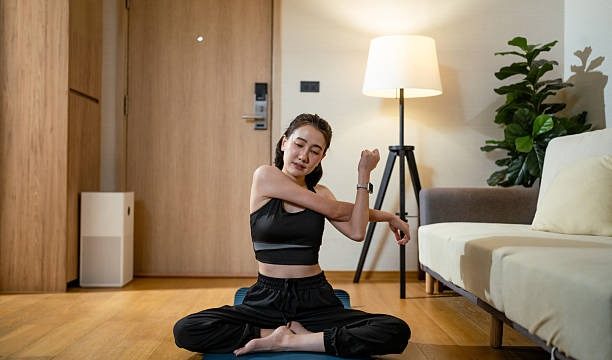
Creating a peaceful emotional environment is a journey, one that invites you to cultivate serenity in your daily life.
In a world that often feels chaotic and overwhelming, finding that inner calm can make all the difference.
It’s about establishing a space—both within and around you—where you can thrive emotionally. Here, we explore gentle ways to nurture this peaceful environment, allowing you to embrace tranquility and well-being.
A small shift toward balance begins with self-awareness. Taking a moment to tune into your feelings can provide clarity. Are you feeling anxious, stressed, or overwhelmed? Acknowledging these emotions is the first step toward creating change. It’s okay to have these feelings; they are part of the human experience. Practicing mindfulness can help you connect with your emotions without judgment. Simply sitting quietly, observing your thoughts, and breathing deeply can ground you, offering a sense of calm amidst the storm.
As you cultivate self-awareness, consider the physical space around you. Your environment plays a significant role in how you feel emotionally. A cluttered space can often lead to a cluttered mind, creating a sense of unease. Take some time to declutter your surroundings. This doesn’t have to be a massive overhaul; even small changes can have a profound impact. Perhaps you could move a few items around, clear off a surface, or create a dedicated corner for relaxation. Let your space reflect a sense of peace, filled with items that bring you joy and comfort.
Creating a peaceful emotional environment also involves nurturing relationships. Surround yourself with people who uplift and support you. Engage in conversations that inspire and energize you, and consider setting boundaries with those who drain your emotional resources. It’s essential to foster connections that contribute positively to your well-being. Sometimes, it’s the simple act of sharing a laugh or enjoying a quiet moment together that can reinforce the bonds that bring joy to your life.
A gentle exploration of your daily routines can also lead to a more serene emotional state. Consider the activities that fill your day. Are they serving you well? Incorporating moments of stillness into your routine can provide a refreshing pause. Perhaps you could start your day with a few minutes of meditation or end it with a calming ritual, such as reading or journaling. These small, intentional practices can create a sense of rhythm in your life, allowing you to navigate challenges with greater ease.
Another vital aspect of fostering emotional peace is the practice of gratitude. Taking time to reflect on what you appreciate can shift your focus from what’s lacking to the abundance in your life. You might want to keep a gratitude journal, jotting down a few things you’re thankful for each day. This simple act can help cultivate a more positive mindset, encouraging you to notice the beauty in everyday moments.
Engaging with nature is a beautiful way to enhance your emotional environment. Whether it’s a stroll through a local park, tending to a garden, or simply sitting outside with a warm cup of tea, nature has a remarkable ability to soothe the soul. The sights, sounds, and smells of the natural world can help ground you, offering a gentle reminder of the beauty that surrounds us. If you can, carve out time to immerse yourself in nature regularly, allowing it to replenish your spirit.
In addition to these practices, exploring creative outlets can be a wonderful way to express your emotions and foster a peaceful mindset. Whether through painting, writing, dancing, or any other form of creative expression, allowing yourself to create can be liberating. It’s not about the end product but rather the joy found in the process. Engaging in creativity can provide an emotional release, helping to alleviate stress and promote feelings of fulfillment.
As you work toward creating a peaceful emotional environment, don’t forget the importance of self-compassion. Be gentle with yourself when you encounter challenges or when things don’t go as planned. It’s okay to feel a range of emotions; they are all valid. Embrace yourself with kindness, recognizing that you are on a journey of growth. Allow space for mistakes and learn from them without harsh judgment. Self-compassion fosters resilience, encouraging you to bounce back with greater strength.
Cultivating a peaceful emotional environment is an ongoing practice. It’s about embracing the ebb and flow of life while nurturing the aspects that bring you joy and tranquility. As you explore these gentle pathways, remember that it’s perfectly natural to seek support when needed. Talking to a friend, family member, or professional can provide additional perspectives and encouragement along the way.
In the end, creating a peaceful emotional environment is a deeply personal journey. It invites you to explore what serenity means to you and how you can invite more of it into your life. By fostering self-awareness, nurturing relationships, decluttering your space, and embracing gratitude, you can build a sanctuary of peace that resonates with your spirit. Each small step you take contributes to a greater sense of balance and harmony, allowing you to navigate life’s ups and downs with grace.
As you embark on this journey, trust that every effort counts. The path to cultivating peace is not always linear, but it’s filled with opportunities for growth and self-discovery. Embrace the process, and allow your emotional environment to blossom into one of tranquility and joy.