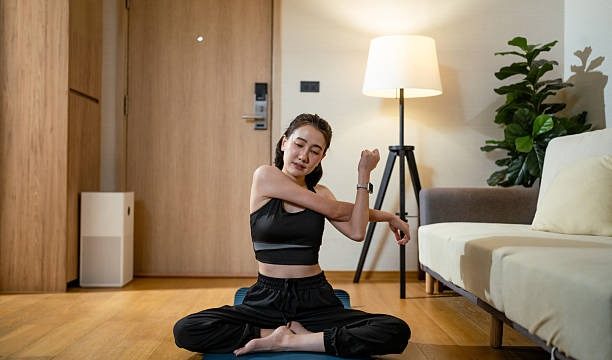
In a world that often feels overwhelmingly social, practicing alone can be both a challenge and an opportunity for personal growth.
Whether you’re honing a musical instrument, working on your painting skills, or even preparing for a public speaking engagement, the journey of self-practice can stir up a mix of excitement and self-doubt.
However, building confidence while practicing alone is entirely achievable. With a few gentle shifts in perspective, you can create a nurturing space for your skills to blossom.
A gentle embrace of solitude
First, it’s important to acknowledge that practicing alone offers a unique chance for self-discovery. This time can be seen not just as a solitary endeavor, but as a sacred moment to connect with your inner self. Embracing solitude allows you to explore your passions without the pressure of external judgment. You might find that when you remove the audience, you create a more honest and authentic relationship with your craft.
Start by setting a warm and welcoming environment for your practice. Choose a space that feels comforting, whether it’s a cozy corner of your home or a spot in a nearby park. Surround yourself with items that inspire you—perhaps a favorite quote, a piece of art, or even a plant. This small shift can help you associate your practice time with positive feelings, making it easier to dive into the experience.
Finding joy in the process
Confidence often stems from a sense of enjoyment. When you practice, try to focus on the joy of the activity rather than the end goal. This might mean allowing yourself to play a few notes on your instrument without worrying about hitting every pitch perfectly. It could involve experimenting with colors on a canvas without the pressure of creating a masterpiece.
By shifting your focus to the process rather than the outcome, you cultivate a sense of freedom. This playful approach encourages you to take risks, make mistakes, and ultimately learn from them. Each practice session can become a delightful exploration, where every misstep is simply a stepping stone toward growth. Over time, as you find joy in the journey, your confidence will naturally begin to flourish.
Setting small, achievable goals
While it’s important to enjoy the process, setting small and achievable goals can provide a gentle structure to your practice. These goals don’t need to be monumental; they can be as simple as mastering a new chord progression or painting a single object. The key is to choose goals that feel attainable and meaningful to you.
As you accomplish these smaller tasks, take a moment to celebrate your progress. This doesn’t mean throwing a grand celebration, but rather acknowledging your efforts with a small smile or a quiet moment of appreciation. Each small victory builds a foundation of confidence, reminding you that you are capable of growth, even in solitary moments.
Connecting with your inner critic
Practicing alone can sometimes give rise to that familiar inner critic, whispering doubts and negativity. It’s essential to recognize this voice and understand that it’s a natural part of the human experience. Rather than trying to silence it completely, consider addressing it with kindness.
When you notice self-doubt creeping in, pause and reflect on the source of those feelings. Ask yourself whether they are rooted in truth or simply a reflection of your fears. Often, you’ll find that the inner critic is more of an echo of past experiences than a genuine assessment of your abilities. By acknowledging and gently challenging these thoughts, you can create space for a more compassionate inner dialogue.
Incorporating mindfulness practices
Mindfulness can be a powerful tool in building confidence during solitary practice. By integrating mindfulness techniques, you can cultivate a deeper awareness of your thoughts, emotions, and physical sensations. Simple practices like deep breathing, meditation, or even mindful movement can help ground you in the present moment.
Before beginning your practice, take a few moments to center yourself. Close your eyes, take a deep breath, and allow any tension to melt away. This simple ritual can create a sense of calm, enabling you to approach your practice with a clear mind and an open heart. As you become more mindful, you’ll likely find that your confidence grows, allowing you to embrace challenges with a sense of ease.
Celebrating your uniqueness
Every individual has their own unique style and voice. When practicing alone, it’s easy to fall into the trap of comparing yourself to others. However, it’s essential to remember that your journey is yours alone. Embrace your uniqueness and allow it to shine through in your practice.
Celebrate the quirks and idiosyncrasies that make your work special. Perhaps you have a distinct way of playing a piece of music or a particular brushstroke that defines your art. These personal touches are what set you apart and contribute to your confidence. By honoring your individuality, you create a richer and more authentic practice that reflects who you are.
Finding community in solitude
Although you may be practicing alone, it doesn’t mean you have to feel isolated. Look for ways to connect with like-minded individuals, even if it’s virtually. Online forums, social media groups, or local clubs can provide a sense of belonging and support. Sharing your experiences with others can be a source of encouragement, reminding you that you’re not alone on this journey.
Engaging with a community can also offer fresh perspectives and ideas, reigniting your passion for your craft. You might find inspiration from others’ stories, helping you to cultivate a deeper sense of confidence in your own abilities.
As you embark on your journey of practicing alone, remember that confidence is a gradual process. It doesn’t appear overnight, but rather builds with each moment of dedication and self-compassion. By embracing solitude, focusing on joy, setting gentle goals, addressing your inner critic, incorporating mindfulness, celebrating your uniqueness, and connecting with others, you can create a nurturing environment for your confidence to flourish.
In the end, practicing alone can be a beautiful path toward self-discovery and empowerment. So take a deep breath, lean into the experience, and allow yourself to grow. Your journey is uniquely yours, and each step forward is a testament to your resilience and creativity.